Safety and emergencies
Foods, plants and household products that are toxic to dogs and cats — and what to do
General information only. It does not replace an examination by a vet who knows your pet. In an emergency, go to the nearest clinic straight away.
Many pet poisonings happen at home, from a food that seems harmless, a tablet left on the table, or an insecticide. Some of these substances don't cause signs for hours or days, after the damage has started. Knowing the main list and acting quickly makes a big difference.
Dangerous foods
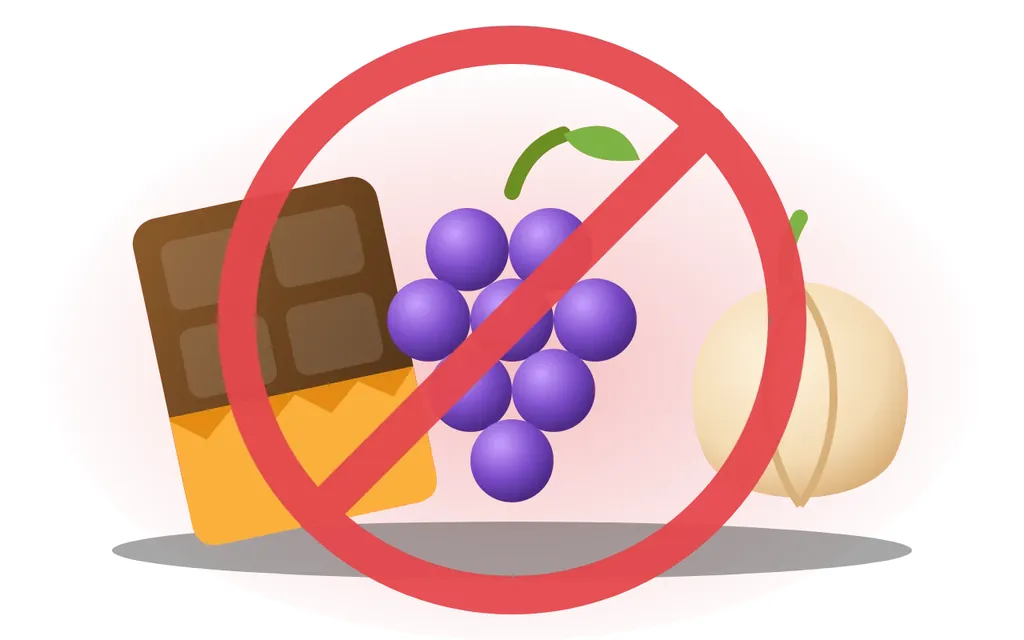
- Chocolate and cocoa: contain theobromine; dark chocolate and baking cocoa are the most dangerous. They can cause vomiting, tremors, heart rhythm problems and seizures.
- Grapes and raisins: can cause kidney failure in dogs, in some even in small amounts.
- Onion, garlic and leeks: raw, cooked or dried as powder, they damage red blood cells. Cats are even more sensitive.
- Xylitol: a sweetener in sugar-free gum, some sweets, peanut butters and toothpaste. In dogs it causes a dangerous drop in blood sugar and can harm the liver.
- Caffeine: coffee, tea and energy drinks.
- Alcohol, and raw dough that contains yeast.
- Macadamia nuts in dogs.
- Very fatty foods such as poultry skin, fat trimmings and barbecue leftovers, which can cause pancreatitis.
- Cooked bones, which can splinter.
- Large amounts of salt and very salty snacks.
Human medicines: the biggest danger
Never give your pet any of your own medicines unless your vet tells you to.
- Paracetamol (acetaminophen): extremely toxic to cats even in a tiny dose, and harmful to dogs too.
- Anti-inflammatory painkillers such as ibuprofen, naproxen and diclofenac: can cause stomach ulcers and kidney failure in dogs and cats.
- Antidepressants, ADHD, heart and diabetes medicines, and supplements with iron or high-dose vitamin D.
- Keep medicines in a closed cupboard and pick up any dropped tablet straight away.
Common plants in Egyptian homes and gardens
- Lilies: extremely dangerous to cats. Any part, even pollen or water from the vase, can cause kidney failure.
- Oleander: a very common shrub in streets and gardens; every part is highly toxic and affects the heart.
- Sago palm (cycad): especially the seeds, which can cause liver failure.
- Dieffenbachia, pothos and similar houseplants: irritate the mouth and throat and cause drooling and vomiting.
Dangerous household products
- Rat poison: some types stop the blood from clotting, so signs appear days later as bleeding, pale gums or weakness. Other types cause seizures or kidney failure.
- Insecticides of all kinds, cockroach gels and agricultural pesticides, which can cause drooling, tremors and seizures.
- Flea products made for dogs if used on cats.
- Detergents, bleach, disinfectants and degreasers.
- Car antifreeze: it tastes sweet, attracts animals, and can cause fatal kidney failure.
- Some essential oils, such as tea tree oil, especially on cats.
What to do if you suspect poisoning
- Move your pet away from the substance at once, and stop other animals reaching it.
- Call your vet or go to the nearest clinic without waiting for signs. Time matters.
- Take the packaging, the product name, or a piece of the plant, and estimate how much and when.
- Don't try to make your pet vomit with salt or any home remedy unless the vet tells you to. Salt itself can poison pets, and vomiting is harmful with corrosive or petroleum products or if the animal is not fully conscious.
- Don't give milk, oil or lemon as an "antidote".
- If the substance is on the skin or fur, wash it off with lukewarm water and mild soap after speaking to your vet, wearing gloves.
See also feeding basics and emergency signs.
Frequently asked questions
My dog ate a small piece of chocolate — is that dangerous?
It depends on the type and amount of chocolate and your dog's weight. Call your vet straight away with the type and rough amount, and they will decide whether treatment is needed.
Does garlic help against fleas?
No. Garlic is not an effective flea treatment, and it can damage red blood cells in dogs and cats.
My cat licked water from a vase with lilies. What should I do?
Treat it as an emergency and go to the vet now, even if your cat seems normal. Early treatment protects the kidneys.