
Parasites and skin
Fleas on dogs and cats: how to spot them and get rid of them for good
General information only. It does not replace an examination by a vet who knows your pet. In an emergency, go to the nearest clinic straight away.
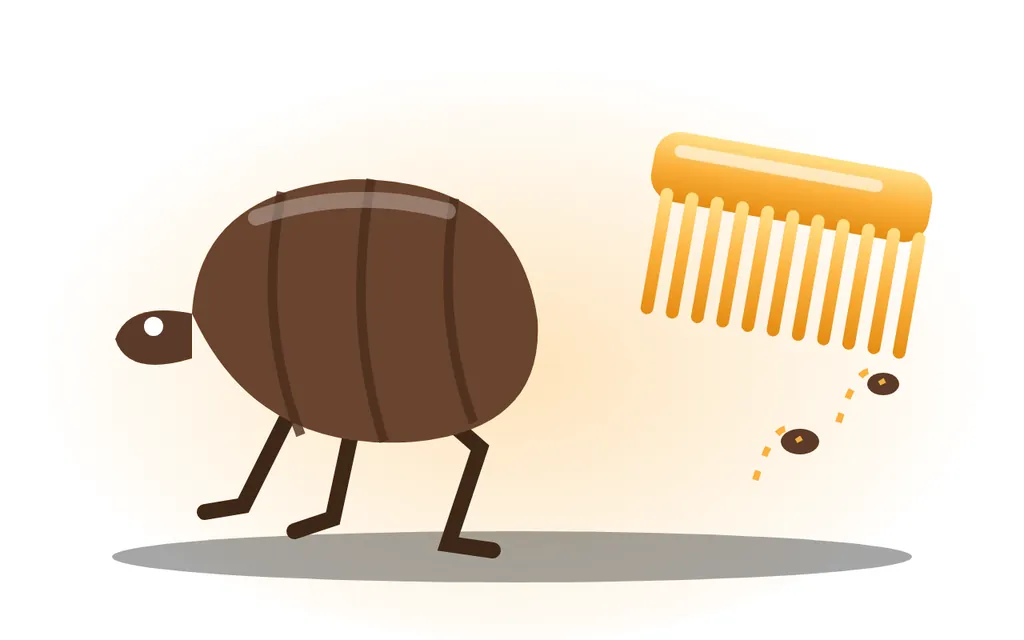
Fleas are tiny, brown, wingless insects that live on the skin of dogs and cats and feed on their blood. They are among the most common pet problems in Egypt, especially in warm weather. They may seem minor, but they can cause intense itching and skin allergy, spread tapeworm, and even cause anaemia in puppies and kittens.
Why do fleas come back after treatment?
The adult fleas you see on your pet are only a small part of the problem. A female flea lays dozens of eggs a day; the eggs fall into bedding, carpets and corners, and turn into larvae and then cocoons that can lie dormant for weeks before new fleas hatch.
Treating the pet once without treating the home, or stopping treatment too early, is the most common reason fleas return.
Signs of fleas
- frequent scratching and biting at the skin, especially over the lower back and base of the tail;
- hair loss, red skin, scabs or small bumps;
- fleas moving quickly through the coat, especially on the belly and around the neck;
- tiny black specks that look like ground pepper — this is flea dirt;
- small rice-like segments around the bottom or in the stool, a sign of tapeworm;
- in cats: over-grooming, and sometimes small scabs along the back and neck.
A plan to get rid of fleas
- Ask your vet for a product that suits your pet's species, age and weight — spot-on drops, tablets or a collar.
- Treat every dog and cat in the home at the same time, even those without signs.
- Keep treating on schedule for as long as the product says — usually at least three months — to break the flea life cycle.
- Clean the home: vacuum carpets, sofas and corners every day for several weeks, and empty the bag or bin outside.
- Wash your pet's bedding and blankets in hot water every week.
- For a heavy infestation, ask your vet about a suitable household spray and follow the instructions exactly, keeping pets and children away.
Important warning: some dog products can kill cats
Some flea and tick products made for dogs contain permethrin or similar substances, which are highly toxic to cats even in small amounts and can cause tremors and dangerous seizures.
- Never put a product meant for dogs on a cat.
- Never split a large dog's dose to give to a cat or a small dog.
- If your cat lives with a dog that was just treated with a spot-on, ask your vet whether to keep them apart until it dries.
- If your cat starts trembling or drooling after any product, wash the area with warm water and mild soap and go to the vet straight away.
Prevention
- Use regular monthly prevention chosen by your vet, especially in the warmer months.
- Check your pet's coat with a fine flea comb once a week.
- Keep its bedding and sleeping area clean.
- Remember that pets that go outside or meet other animals are at higher risk.
See also ticks and how to remove them safely and lice in dogs and cats.
Frequently asked questions
Do fleas bite people?
Yes, cat and dog fleas can bite people, often around the ankles, but they don't live on humans. Clearing them from your pet and home solves the problem.
Is a bath with shampoo enough?
A bath removes some fleas for a while but doesn't stop them coming back. You need an effective product chosen by your vet, plus cleaning the home.
My pet never goes outside — can it still get fleas?
Yes. Fleas and their eggs can come in on clothes and shoes, or with a visiting animal.