Parasites and skin
Lice in dogs and cats: signs, how they differ from fleas, and treatment
General information only. It does not replace an examination by a vet who knows your pet. In an emergency, go to the nearest clinic straight away.
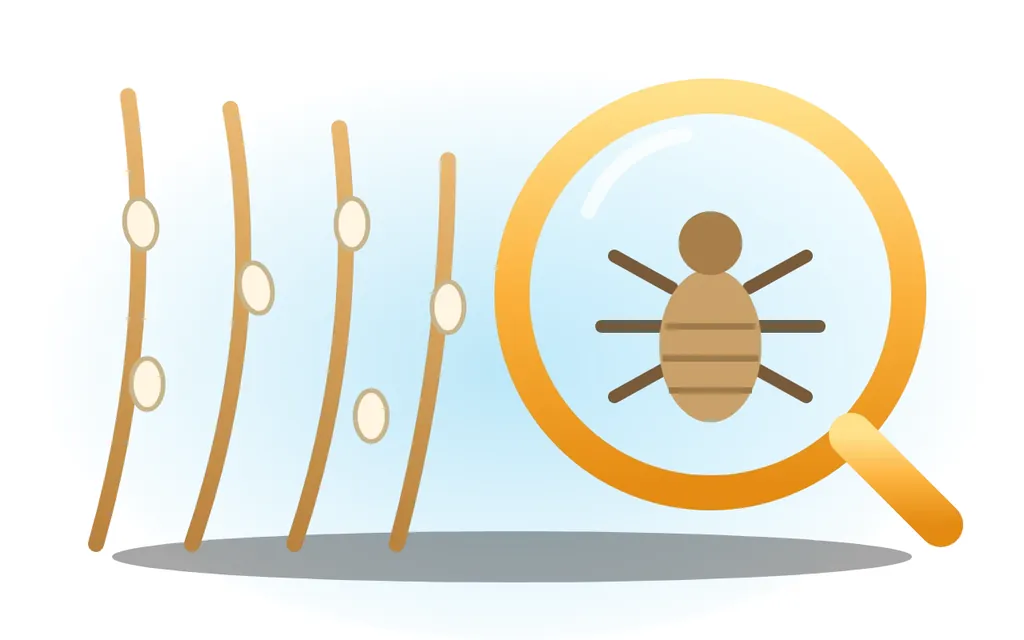
Lice are small wingless insects that spend their whole life on the animal and glue their eggs (nits) firmly to the hair. They are less common than fleas, but they show up more often in very young, old or weak animals, and in animals that live in crowded places or don't get enough coat care.
Types of lice
- Chewing lice feed on skin flakes and secretions and cause itching and irritation.
- Sucking lice feed on blood and can cause anaemia when infestations are heavy in puppies or weak animals.
Importantly, animal lice are species-specific: dog lice don't live on cats or people, and cat lice don't live on dogs or people. You don't need to worry about them spreading to your family.
How do lice spread?
- through direct contact with an infested animal — on the street, in shelters, or at grooming and boarding places;
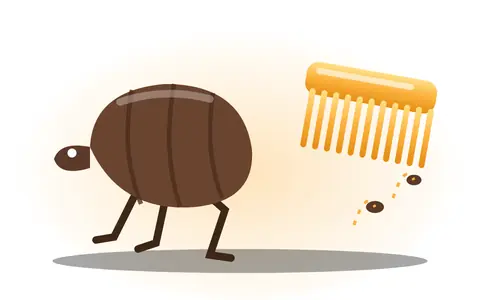
- through shared combs, brushes and blankets;
- lice don't survive long off the animal, usually only a few days, but that's enough to spread on tools.
Signs
- itching, scratching and rubbing against furniture or the floor;
- a dry, matted or dull coat;
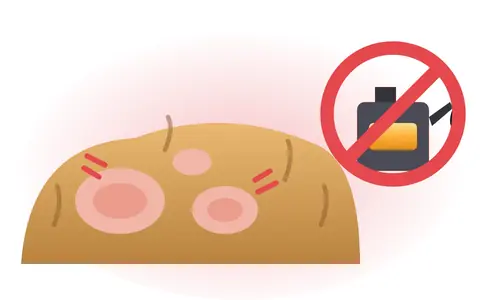
- patches of hair loss, especially around the ears, neck, shoulders and bottom;
- small white specks stuck to the hair that don't come off when you blow or shake — these are eggs;
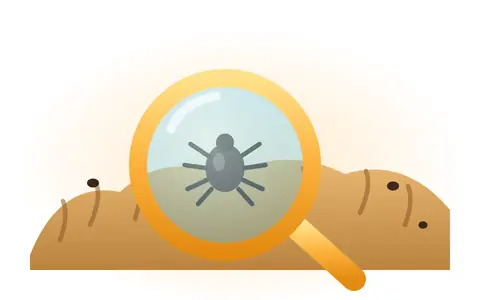
- lice moving slowly when you part the hair, unlike fleas, which jump and move fast;
- with heavy infestations: weakness, tiredness and pale gums.
Lice or fleas?
| Lice | Fleas | |
|---|---|---|
| Movement | Slow, don't jump | Fast, jump |
| Eggs | Glued to the hair | Fall into the surroundings |
| Life off the animal | A few days | Eggs and cocoons last weeks in the home |
| People | Don't live on them | May bite, don't live on them |
Treatment
- See your vet to confirm the diagnosis — itching can also be caused by fleas, mange or allergy.
- Your vet will prescribe a product suited to your pet's species and weight; many flea products also kill lice.
- Repeat the treatment as instructed. Eggs are not always killed by the first dose; the next dose kills lice that hatch afterwards.
- If the coat is badly matted, clipping it can help the treatment reach the skin.
- Treat all animals of the same species in the home.
- Wash bedding and blankets in hot water, and clean or replace combs and brushes.
Prevention
- Brush and check your pet's coat regularly, especially if it is long-haired.
- Give each animal its own grooming tools.
- Have any new animal checked by a vet before it mixes with your pets.
- Good nutrition and vaccinations matter: weak animals are more prone to parasites.
See also fleas, mange and its types, and grooming and bathing.
Frequently asked questions
Can my dog's lice spread to my children?
No. Dog and cat lice are species-specific and don't live on people.
Are lice a sign of neglect?
Not always. Any animal can pick them up from an infested animal, though they are more common in animals that don't get regular care.
How long does it take to get rid of lice?
Usually several weeks, repeating the treatment as your vet advises until all eggs have hatched and been killed.