Parasites and skin
Mange in dogs and cats: the types, whether it is contagious, and why home remedies harm
General information only. It does not replace an examination by a vet who knows your pet. In an emergency, go to the nearest clinic straight away.
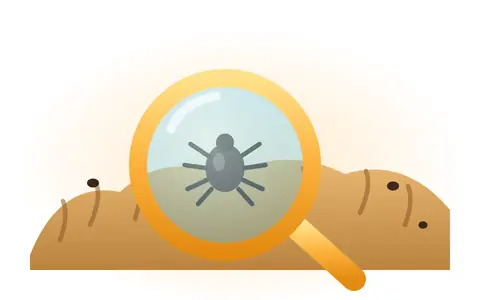
Mange is a skin disease caused by tiny mites that can't be seen with the naked eye. It is one of the most common causes of hair loss and itching in dogs and cats in Egypt, especially in strays and puppies. The good news is that most cases are treated successfully when diagnosed early and when the vet's plan is followed through.
Types of mange
Sarcoptic mange (scabies)
This mite burrows into the skin and causes extremely intense itching — dogs may scratch until they injure themselves. It often starts on the ear edges, elbows, hocks and belly, then spreads.
- It is highly contagious between dogs, through direct contact and bedding.
- It can cause temporary itchy red bumps in people, which usually clear once the dog is treated.
Demodectic mange
This mite normally lives in small numbers in the skin of most dogs. Problems start when it overgrows, usually in puppies whose immunity hasn't matured, or in older or sick dogs.
- It causes hairless patches around the eyes, mouth and legs; itching may be mild at first.
- It is not considered contagious to people and does not usually spread between healthy adult dogs.
- Mild, localised cases in puppies may improve, but widespread cases need treatment and follow-up.
Cat mange and ear mites
- Notoedric mange in cats usually starts on the ears, face and neck with crusts and intense itching, and spreads between cats.
- Ear mites are very common in kittens and dogs and cause head shaking, ear scratching and dark discharge that looks like coffee grounds.
Signs that need a vet
- constant or intense itching, especially at night;
- patchy or widespread hair loss;
- red skin, crusts and wounds from scratching;
- a bad smell from the skin, often a sign of secondary bacterial or yeast infection;
- darkened or thickened skin in long-standing cases;
- weight loss and weakness in advanced cases.
Diagnosis
Diagnosis needs a vet, because mange looks like other skin diseases such as ringworm and allergies. The vet may take a light skin scraping to look at under a microscope, or pluck a few hairs. With sarcoptic mange the mites may not show up, so the vet may start treatment if the signs fit.
Treatment
- Effective veterinary medicines are available today as tablets, spot-on drops or medicated baths. Your vet chooses based on the type of mange and your pet's age, weight and breed.
- Your pet may also need treatment for secondary bacterial or yeast infection, and something to ease the itch.
- Treatment usually lasts several weeks. Don't stop when the skin looks better — stop when your vet says so after a check-up.
- For contagious mange: isolate the animal, treat in-contact animals as your vet advises, and wash bedding and tools in hot water.
Prevention
- Regular parasite prevention chosen by your vet — some flea and tick products also protect against certain mites.
- Good nutrition and up-to-date vaccinations support your pet's immunity.
- Have any new animal checked by a vet before it mixes with your pets.
- Keep your pet away from animals with obvious hair loss or itching.
See also lice, fleas, and grooming and bathing.
Frequently asked questions
Can people catch mange?
Sarcoptic mange can cause temporary itching and bumps in people after contact with an affected dog; these usually clear once the dog is treated. See a doctor if they persist. Demodectic mange does not spread to people.
Does mange mean the animal is dirty?
No. Demodectic mange is mostly linked to immunity, and sarcoptic mange spreads by contact even to clean animals.
Will the hair grow back?
In most cases, yes — hair regrows gradually over weeks to months after successful treatment.